Why AI Video Editing Is the Future for Solo Content Creators
Solo creators are expected to shoot, edit, caption, post, and grow — all alone. AI video editing isn't a shortcut; it's the only way the math works.
Why AI Video Editing Is the Future for Solo Content Creators

Running a content channel as a solo creator means wearing every hat. You’re the director, the cinematographer, the on-screen talent, the editor, the social media manager, the caption writer, and the analytics reviewer. All of it.
It’s a lot. And the demands have only gotten higher: more platforms, shorter content cycles, higher audience expectations for production quality, and algorithms that reward volume as much as quality.
Something has to give. And for most solo creators, the thing that gives is usually consistency — the posting schedule slips, the backlog grows, and the channel stagnates not because the content isn’t good, but because there isn’t enough bandwidth to produce it.
AI video editing is changing that math. Here’s why it matters — and why it’s not just hype.
The Solo Creator’s Time Problem
Let’s be concrete about what editing actually costs.
A 60-second cooking Reel might represent 30 minutes of raw footage. Scrubbing that footage, pulling the best 15 clips, building a rough timeline, syncing to music, trimming to beats, adding captions, exporting — even for an experienced editor, that’s 45 minutes to an hour per video. For a less experienced creator, it can be two or three hours.
If you’re posting 4 times a week, that’s 4–12 hours of editing. Per week. On top of filming time, planning time, community management, and everything else.
For a solo creator who also has a job, a business, a life — that’s not sustainable. The math doesn’t work.
What AI Actually Changes
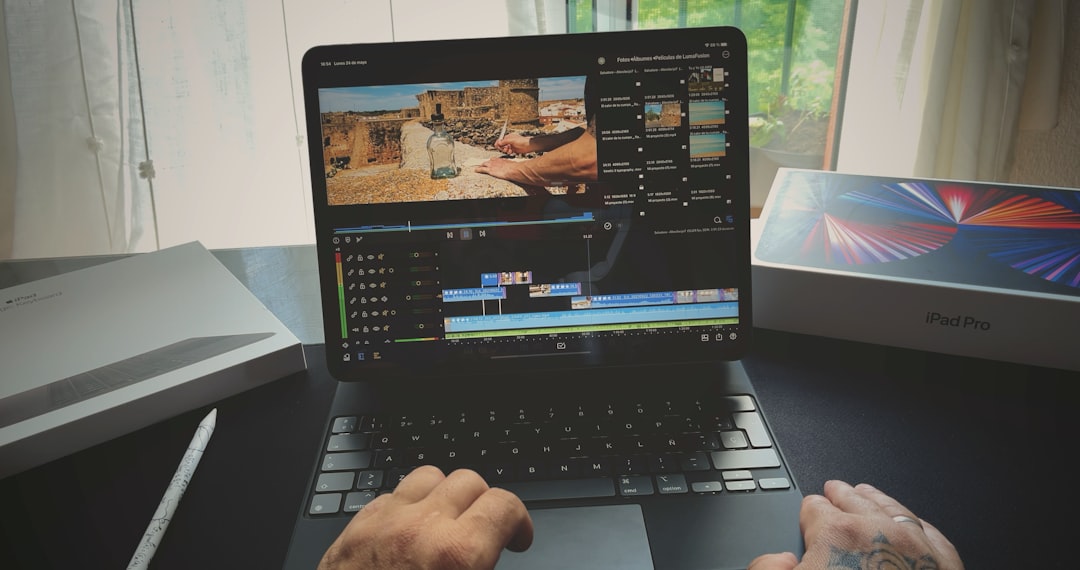
AI video editing tools don’t replace creative judgment. They replace the parts of editing that don’t require creativity.
The time-consuming, mechanical parts of the editing process:
- Scrubbing through raw footage to find usable clips
- Identifying the best takes among multiple options
- Building a rough timeline structure
- Rough-trimming clips to a working length
- Initial clip sequencing
None of these tasks require taste or creative vision. They require time. And time is the one resource solo creators have the least of.
When AI handles the first draft — giving you a rough timeline from your raw footage — you start the creative part of editing from clip 1, not clip 0. You’re reacting, refining, making decisions. Not assembling from scratch.
For a 60-second Reel, the difference might be 15 minutes instead of an hour. Multiply that across four posts a week and you’ve recovered 3 hours. Hours that go back into filming more, engaging with your audience, or just not burning out.
Why Visual Creators Were Left Behind (Until Now)
The first wave of AI video tools was built primarily for dialogue-first content: podcast editors, transcript-based editing, auto-clipping of spoken highlights. These tools were genuinely useful — for podcasters, interview creators, and talking-head YouTubers.
But they missed a huge segment of the creator economy.
Cooking creators. Travel vloggers. Lifestyle content makers. Event videographers. Creators whose content lives in the footage — in B-roll, in visual storytelling, in the sensory experience of being somewhere or making something. For these creators, a transcript-based AI is useless. Their best moments aren’t said; they’re shown.
Visual-first AI tools — ones that analyze footage for composition, motion, energy, and visual quality rather than words — close this gap. They’re built for the creator whose content is about what the camera sees, not just what the microphone hears.
The Compounding Effect of Posting More
Here’s something most creators underestimate: in short-form content, volume compounds.
Every video you post is a new chance to be discovered. It’s a new entry point into your content, a new piece of work for the algorithm to test, a new opportunity for a piece to go wide. Creators who post 4x a week have 4 chances per week to hit. Creators who post 1x a week have one.
More importantly, consistent posting builds audience habit. Followers who see you regularly start expecting your content and come back for it. The algorithm rewards active accounts. Engagement rates tend to improve for channels with consistent posting cadences.
AI-assisted editing is the lever that makes higher posting volume achievable without burning out. It’s not about sacrificing quality — it’s about removing the friction that stops quality content from getting made in the first place.
AI Editing Doesn’t Remove the Creator
A concern some creators have: if AI is doing the edit, is it still your work? Is it still authentic?
The honest answer: the AI handles the assembly. You handle everything that matters.
You still shot the footage. You chose the location, the light, the angles. You cooked the dish or traveled to the destination or organized the event. You provide the taste, the aesthetic judgment, the creative vision that makes your content distinctly yours. The AI built a rough cut — you decide what stays, what goes, what gets reordered, what the final product looks and feels like.
A professional photographer uses Lightroom presets as a starting point and then adjusts. A musician uses sample libraries and then composes. A writer uses spell-check and grammar tools. Using AI for first-draft editing is the same kind of assistance — it doesn’t replace your creative fingerprint, it just removes the setup time.
What the Best Solo Creators Have Already Figured Out

The solo creators who are growing fastest in 2026 have mostly stopped trying to do everything the traditional way. They’ve:
- Accepted that a good video posted today beats a perfect video posted next month
- Built repeatable systems: consistent filming setups, standard shot lists, reliable editing workflows
- Used AI tools strategically to remove friction at the bottleneck (the edit)
- Focused creative energy on the parts of the process that actually require creativity
They’re not lazy. They’re efficient. And efficiency at scale is what separates channels that grow from channels that stall.
The Bottom Line
The solo creator in 2026 is being asked to compete with production teams, media companies, and full-time content studios — often while holding down a job or running a business.
AI video editing doesn’t level that playing field entirely. But it removes one of the biggest asymmetries: post-production time. The creator with an AI-assisted workflow can produce more content, iterate faster, and sustain their output longer without burning out.
For visual creators especially — cooking, travel, events, lifestyle — tools like Clik are built specifically for the footage-first workflow that most AI tools have ignored. Upload your raw clips, get a first draft, spend your creative energy on what actually matters.
The future of solo content creation isn’t more hours at the edit bay. It’s smarter time spent on the parts only you can do.