Hook Formats for Cooking Videos: Final Plating, Taste Tests & Mini Compilations
The first 3 seconds of your cooking video determine whether people watch or scroll. Here are the hook formats that actually work — and how to shoot them.
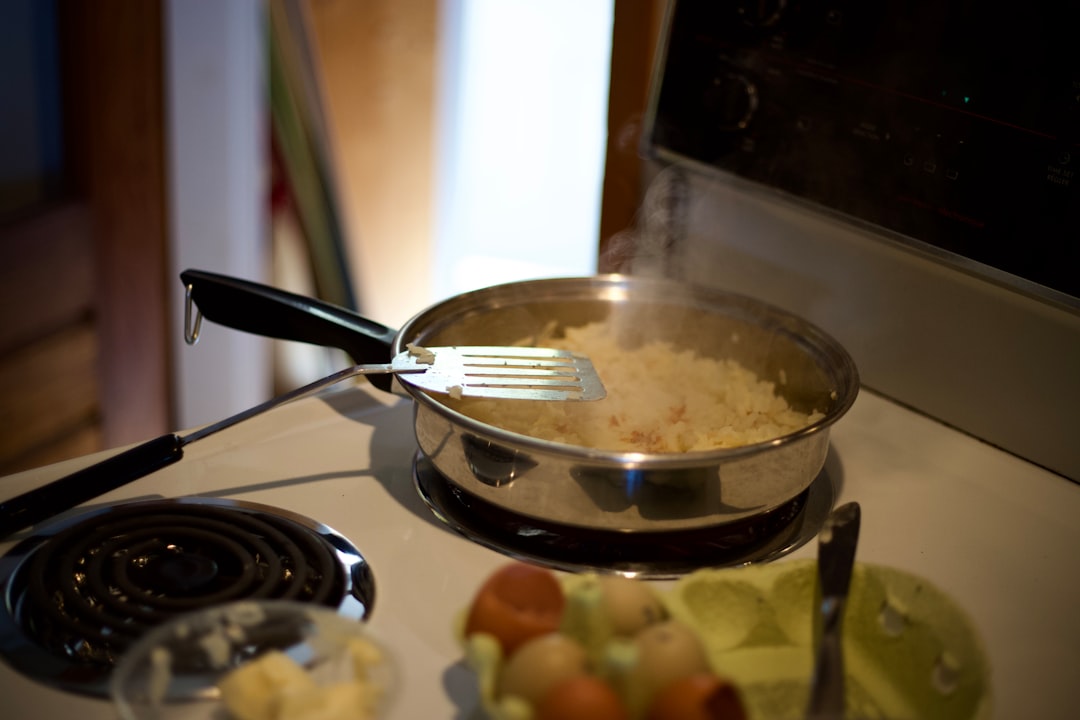
Hook Formats for Cooking Videos: Final Plating, Taste Tests & Mini Compilations

You can cook something incredible, film it beautifully, edit it perfectly — and still get 200 views because the first 3 seconds weren’t strong enough.
The hook is everything in short-form cooking content. Not the recipe. Not the technique. Not the production quality. The first frame, the first visual, the first moment that makes someone’s thumb stop mid-scroll.
Most cooking creators open with the wrong thing: a wide shot of their kitchen, a title card, or the beginning of the recipe. None of these create urgency or desire. By the time the interesting visuals show up, most viewers are already gone.
Here’s how to fix it — with the specific formats that work best for food content.
Why the Hook Matters More for Food Content
Food content has a unique advantage in social media: appetite. A genuinely beautiful or appetizing shot of food creates an almost involuntary physiological response. You see something that looks incredible and you immediately want to know how to make it.
The hook formats below all work because they lead with that appetite response — they put your best, most crave-inducing visual first, before you’ve asked the viewer to commit to anything.
The cooking education, the technique, the narrative — all of that can come after the viewer is already hooked. Lead with desire.
Hook Format 1: The Final Plating Reveal

The format: Open with the most visually striking shot of your finished dish. The completed plate, the final drizzle, the moment the dish looks its absolute best.
Why it works: You’re leading with the answer. Viewers see the destination before they’ve committed to the journey. If the destination is beautiful enough, they want to know how to get there.
How to shoot it:
- Film your final plating sequence from two angles: overhead and 45°
- Light the dish specifically for this shot — softer, more directional than your cooking shots
- Capture the detail: a slow pour of sauce, a sprinkle of finishing salt, herbs placed with intention
- Hold for 5–8 seconds of clean, still footage before the opening cut
In the edit: Use the plating shot as your very first frame, then cut back to the beginning of the recipe. The structure becomes: [This is where you’re going] → [Here’s how we get there].
Variation: Show just the hero shot of the plated dish on a clean surface, no hands. Let the dish speak for itself before cutting to the recipe start.
Hook Format 2: The Taste Test Reaction

The format: Open with your genuine first-bite reaction to the finished dish. Not a staged performance — a real response to something you made and actually love.
Why it works: Reactions are inherently watchable. The human brain is wired to read other people’s faces for information about whether something is good or bad, safe or dangerous. When you see someone taste something and their face lights up, you want to know what they’re eating.
How to shoot it:
- Film your taste reaction after the dish is fully finished
- Use a medium shot — we need to see your face clearly, not just your hands
- Eat naturally. The best reactions aren’t rehearsed; they’re genuine
- Say something real if you talk on camera: “this is actually insane” beats any scripted line
- Keep it to 3–5 seconds max — just the reaction, then cut to the recipe
In the edit: The reaction is the first clip. Then you cut directly to the beginning of the cook, often with text like “here’s how I made it” or just letting the visual context make that clear.
Why this format builds audience: When viewers see a creator genuinely react to their own food with delight, it builds trust. This person isn’t just showing off a dish — they’re validating that it’s actually worth making.
Hook Format 3: The Mini Compilation (The Teaser)
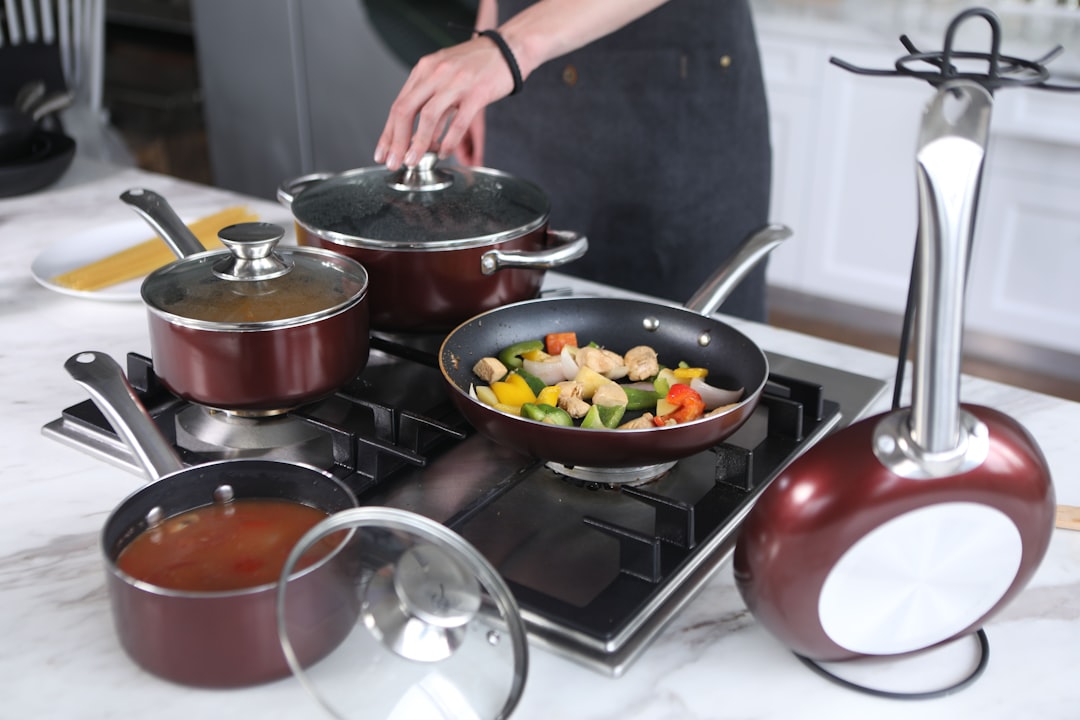
The format: Open with a 3–5 second rapid-cut sequence of the most visually compelling moments from the video — sizzling, pouring, plating, textures, motion — before segueing into the full recipe.
Why it works: This format is borrowed from film trailers. You’re showing the highlights before committing to the feature. Viewers get a preview of the visual payoffs waiting in the video, and if any of those moments create desire, they’ll watch to see how they happen.
How to shoot it:
- You’re not shooting anything new — you’re using footage from the recipe itself
- In the edit, pull your 3–5 best visual moments: the sizzle when protein hits the pan, the sauce being poured, the steam rising, a dramatic ingredient being added, the final plate
- Cut each clip to 0.5–1 second — these should feel fast and energetic
- Use a music beat-drop or rhythm to time the cuts
In the edit: The mini compilation plays first (3–5 seconds), then the video segues into the actual recipe from the beginning. A simple text transition or just a direct cut works — viewers understand the structure.
Tone variations: The mini compilation can be calm and aesthetic (soft music, slow-mo clips) or high-energy (fast cuts, punchy music). Match the tone to your brand and the dish — a slow Sunday pasta feels different from a 15-minute weeknight stir-fry.
Bonus: The Unexpected Detail Hook
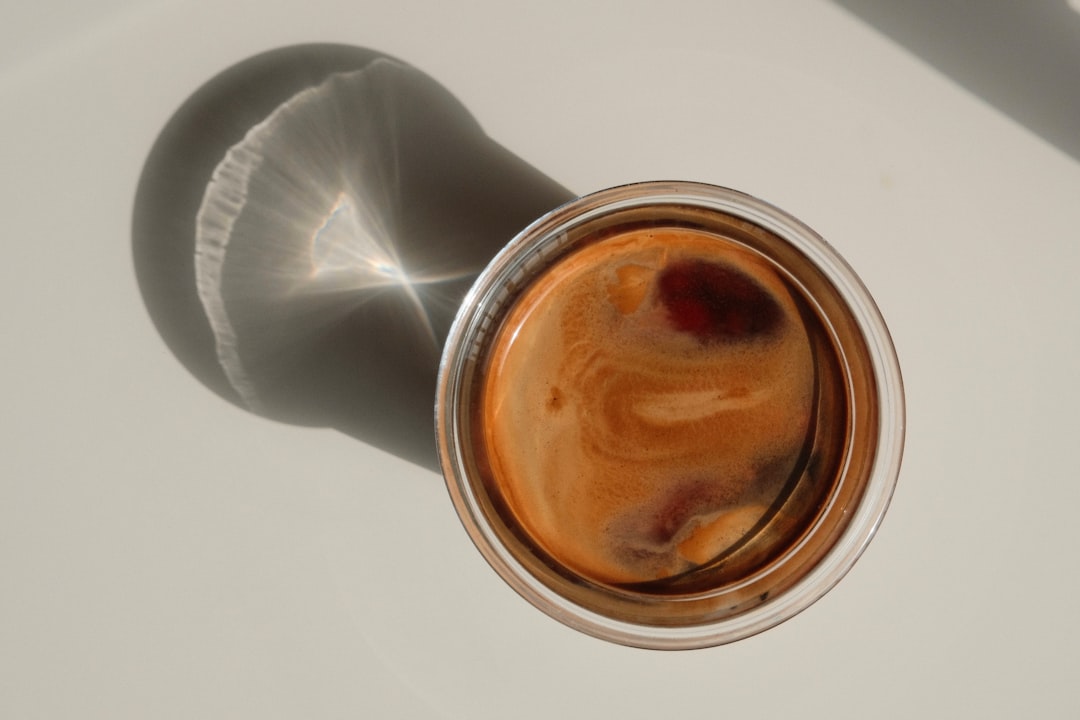
The format: Open with a single, unexpected extreme close-up of something visually satisfying — a crust being broken, cheese being pulled, a sauce reducing, the moment a poached egg is cut.
Why it works: Unexpected detail shots trigger curiosity before appetite. Viewers see something beautiful or satisfying and instinctively want to understand what it is and how it happened.
How to shoot it:
- These shots require getting your camera close — phone cameras work well here, especially with portrait mode off and manual focus
- Look for moments with satisfying textures: crunch, melt, pull, drip, sizzle
- The sound matters as much as the visual — enable audio on these shots; the crack of a crust or pull of cheese is half the hook
Best used for: Dishes with a dramatic texture moment. A brûlée being cracked. A burger being pressed. Caramel being pulled.
The Hook Is Part of the Recipe
One mindset shift that changes how you film: the hook is something you plan before you cook, not something you find in the edit.
When you know you’re going to open with the final plating shot, you set up your best light specifically for that moment. When you know you’re going to use a taste reaction, you put your camera in position before the first bite. When you’re building a mini compilation, you’re thinking during the cook about which 5 moments you want to capture cleanly.
Planning the hook in advance changes what footage you come home with — and makes the edit dramatically faster.
How to Choose the Right Hook for Each Video
| Hook Type | Best For | Strength |
|---|---|---|
| Final Plating Reveal | Visually striking dishes with a beautiful presentation | Leads with appetite and aspiration |
| Taste Test Reaction | Dishes that taste better than they look, trust-building content | Human connection, emotional engagement |
| Mini Compilation | Complex recipes with multiple visual payoffs | Builds anticipation, shows the breadth of the video |
| Unexpected Detail | Dishes with dramatic texture moments (crust, melt, pull) | Curiosity and sensory engagement |
You don’t need to use the same hook format every time — in fact, varying your hooks keeps your content feeling fresh to subscribers who watch every video. Rotate between these formats and pay attention to which performs best with your specific audience.
The Shortcut to Testing More Hooks
The most effective way to learn which hooks work for your content is to test more of them. That means posting more, which means editing faster.
Tools like Clik help cooking creators move through raw footage quickly — building initial timelines from your best visual moments so you can spend time on hook decisions and creative polish rather than manual clip sorting. The faster you get to a first draft, the faster you can post, and the faster you learn what works.
Because in short-form content, iteration beats perfection every time.